
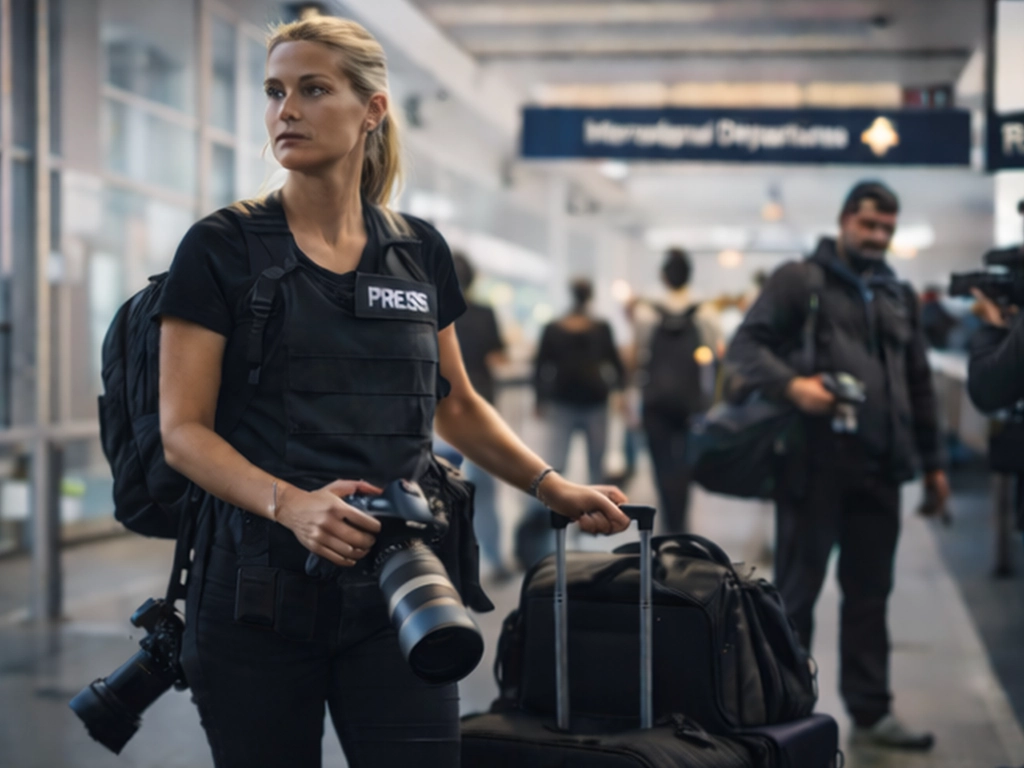
Learn how press photographers can transition from local events to international assignments through strong portfolios, networking, accreditation, and professional credibility.
Introduction
For many press photographers, the journey begins locally: covering community events, documenting regional stories, and building a portfolio step by step. These early assignments are more than just practice – they are the foundation of a professional career in visual journalism. Yet in today’s interconnected media landscape, opportunities are no longer confined by geography. The transition from local assignments to international coverage is not only possible, but increasingly essential for photographers who aim to remain competitive and relevant.
Expanding your reach requires more than technical skill behind the camera. It involves strategic positioning, professional recognition, strong networks, and a clear understanding of how the global media industry operates. Whether covering cultural events, political developments, or human-interest stories, press photographers who succeed internationally combine storytelling ability with credibility and access.
This article explores how photographers can evolve from local contributors to internationally active professionals, outlining practical steps, challenges, and opportunities along the way.
1. Building a Strong Local Foundation
A successful international career in photography is rooted in establishing a robust local reputation. Prior to securing global assignments, photographers must consistently exhibit reliability, professionalism, and quality within their immediate community.
Local events serve as valuable platforms to:
- Develop a distinctive photographic style
- Cultivate relationships with editors and organizations
- Acquire experience working under time constraints
- Gain insight into journalistic storytelling techniques
Photographers who produce high-caliber work locally are more likely to be considered for broader opportunities. Rather than being a restriction, local coverage functions as essential preparation.
Moreover, local assignments frequently afford greater creative autonomy compared to larger productions, enabling photographers to experiment, enhance their methods, and assemble a portfolio that demonstrates both technical proficiency and narrative sophistication.
2. Building a Portfolio with International Relevance
Transitioning to international coverage necessitates the development of a portfolio that communicates effectively across diverse cultural contexts. Editors and agencies seek bodies of work that exhibit universal significance, emotional resonance, and versatility.
An effective international portfolio should:
- Convey narratives that surpass cultural barriers
- Feature a wide range of subjects and settings
- Maintain consistent excellence in both quality and composition
- Demonstrate competence in challenging and unpredictable environments
Photographers are encouraged to curate cohesive story collections rather than isolated images; sequences documenting events, individuals, or societal changes frequently have greater impact than single photographs.
Furthermore, presenting work in a polished, professional manner is imperative. Online portfolios, digital publications, and thoughtfully assembled galleries significantly influence global perceptions of photographers and their capabilities.
For example, platforms such as International Association of Press Photographers and their publication opportunities on IAPP Publications offer photographers a way to present their work to an international audience in a structured and credible environment.
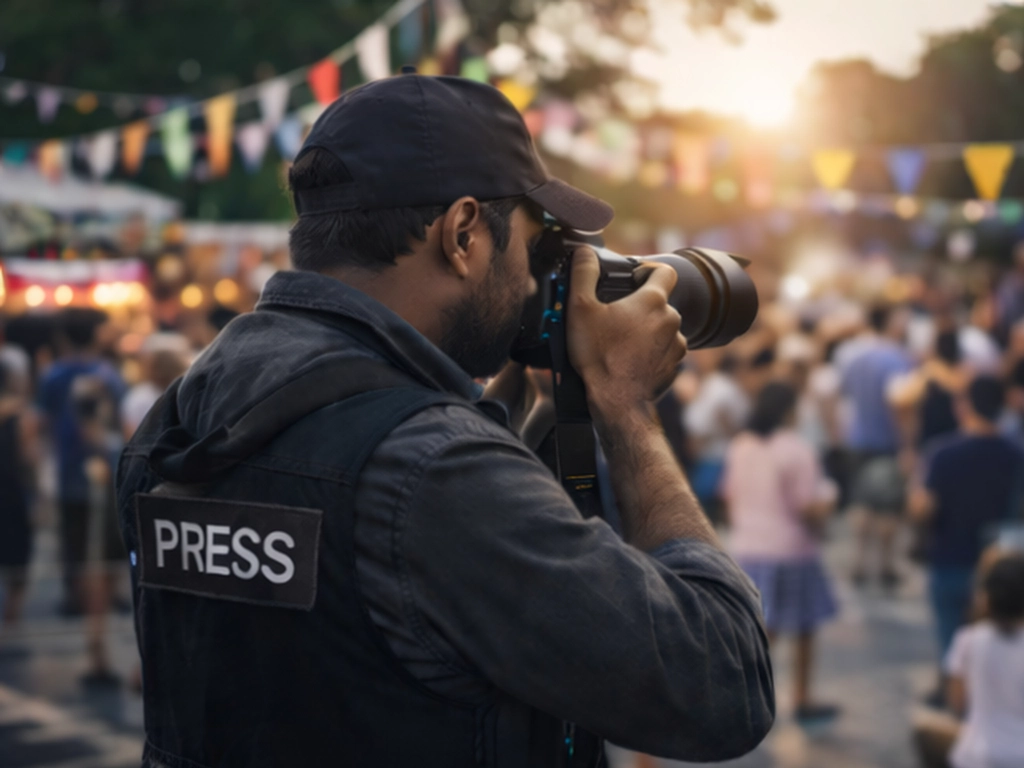
3. Gaining Access: The Role of Accreditation and Press Passes
One of the most significant barriers to international coverage is access. Many events-especially political, cultural, or crisis-related-require official accreditation.
Without recognized credentials, photographers may face limitations such as:
- Restricted access to venues or press zones
- Difficulty gaining trust from organizers or authorities
- Limited ability to operate professionally in controlled environments
This is where professional recognition becomes critical. A valid press pass signals legitimacy and helps photographers establish credibility in unfamiliar environments.
The press credentials offered through IAPP Press Pass provide photographers with internationally recognized identification that can support access to events and assignments worldwide.
Accreditation is not just about entry-it is about trust. When photographers are visibly associated with a professional organization, they are more likely to be taken seriously by event organizers, institutions, and other media professionals.
4. Expanding Your Network Beyond Borders
Networking is one of the most underestimated factors in building an international career. While talent and technical ability are essential, opportunities often arise through connections.
To expand your reach, consider the following strategies:
- Collaborate with international journalists and photographers
Joint projects can open doors to new regions and audiences. - Engage with global media platforms
Submitting work to international publications increases visibility. - Participate in professional communities
Associations and networks provide access to resources, contacts, and shared knowledge. - Attend events and conferences
Industry gatherings are valuable opportunities to build relationships.
Organizations like International Association of Press Photographers and their structured network described here IAPP Association
offer photographers access to an international community of professionals.
Being part of such a network does not guarantee assignments-but it significantly increases the likelihood of being seen, recommended, and considered.
5. Understanding the Global Media Landscape
Working internationally requires far more than the ability to travel and capture compelling images. The global media landscape is complex, dynamic, and shaped by a wide range of political, cultural, and economic factors. Press photographers who want to operate successfully on an international level must develop a deep understanding of how media ecosystems function in different regions.
Editorial priorities, for example, can vary significantly depending on the target audience and the platform. While some markets prioritize fast-paced, breaking news coverage, others place greater emphasis on in-depth storytelling and visual narratives. This means that photographers must be able to adapt not only their shooting style but also their selection and presentation of images.
Another important aspect is the legal environment. Laws related to press freedom, privacy, and image rights differ widely from country to country. In some regions, photographing public events is relatively unrestricted, while in others, strict regulations apply-even in seemingly open environments. A lack of awareness in this area can lead to serious professional and legal consequences.
Cultural sensitivity also plays a crucial role. Images that are considered neutral or informative in one cultural context may be perceived as inappropriate or misleading in another. International photographers must therefore approach each assignment with a strong sense of awareness and respect for local customs and perspectives.
In addition, the distribution of visual content has become increasingly digital and decentralized. Social media platforms, online publications, and global news networks all influence how images are shared and consumed. Understanding these channels-and how to position your work within them-is essential for reaching an international audience.
Ultimately, success in the global media landscape depends on adaptability. Photographers who are willing to learn, observe, and adjust their approach will be far better equipped to navigate international assignments with confidence and professionalism.
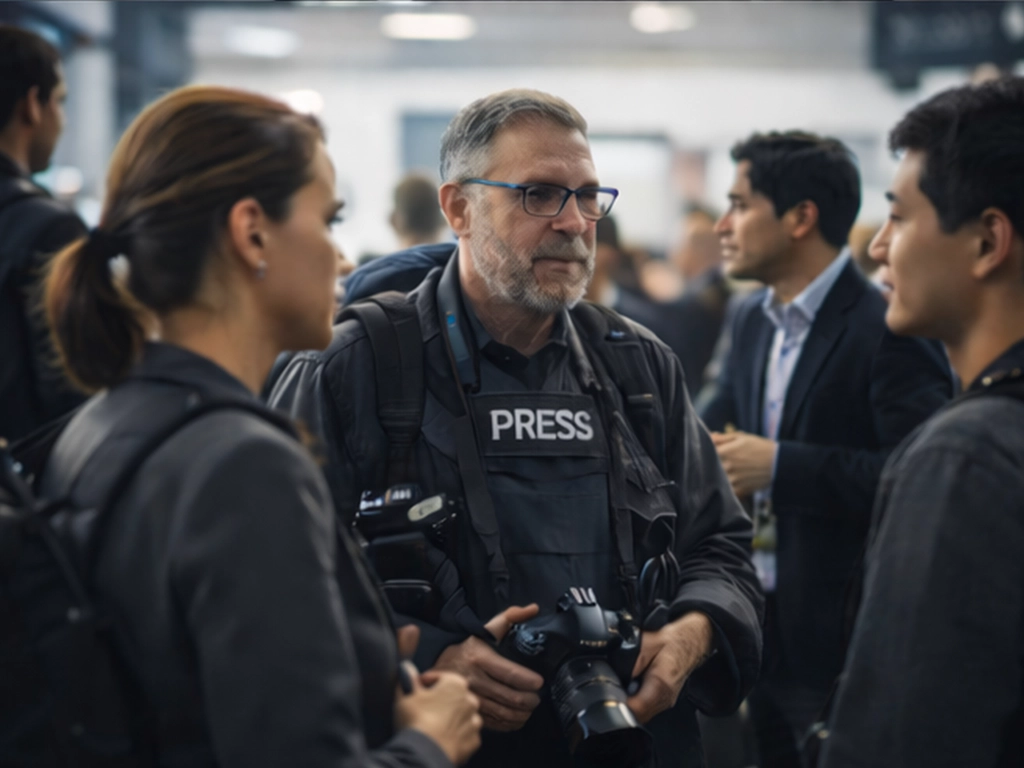
6. Developing a Sustainable International Workflow
Expanding into international work elevates the degree of complexity well beyond the core practice of photography. While capturing compelling images remains fundamental, the associated processes-including meticulous planning, logistics, communication, and post-production-become significantly more challenging.
Effective organization is paramount. International travel necessitates thorough preparation, encompassing equipment management, documentation, adherence to airline regulations, and compliance with customs protocols. Photographers must demonstrate foresight in planning while retaining the flexibility to accommodate unforeseen circumstances.
Data management constitutes a crucial component in global assignments, often involving substantial volumes of image material requiring secure storage, backup, and transmission. Technical failures or inadequate backup strategies can result in severe professional and financial repercussions. Establishing robust workflows, such as redundant storage systems and cloud-based solutions, is imperative.
International communication introduces additional complexities, including time zone variances, language barriers, and diverse client expectations. Clear and structured communication is essential to minimize misunderstandings and ensure seamless collaboration with editors and clients.
Financial planning is equally critical. Costs associated with travel, accommodation, insurance, and equipment maintenance contribute to the comprehensive investment needed for international projects. Photographers must develop an accurate cost assessment to guarantee the financial viability of each assignment.
Furthermore, sustainability transcends operational efficiency, encompassing long-term resilience. International work presents both physical and mental challenges. A sustainable professional approach requires maintaining balanced workflows, managing stress, and prioritizing personal safety.
Support structures, such as those provided through IAPP Service can help photographers navigate these challenges and maintain a consistent level of professionalism, even under demanding conditions.
7. Strengthening Professional Credibility
As photographers expand beyond their local markets, professional credibility becomes one of the most important factors influencing their success. In international environments, where personal relationships may not yet exist, credibility often determines whether a photographer is trusted with assignments, access, and publication opportunities.
Credibility is built over time through consistent performance. Delivering high-quality images, meeting deadlines, and communicating reliably all contribute to a professional reputation. However, in a global context, additional signals of trustworthiness are often required.
Affiliations with recognized organizations can play a significant role in this regard. They provide a form of validation that goes beyond individual portfolios, indicating that a photographer operates within established professional standards. For editors, agencies, and event organizers, such affiliations can serve as a useful reference point when evaluating potential collaborators.
Transparency is another key element. Clear communication about the context of images, ethical considerations, and working methods helps build trust with clients and audiences alike. In an era where misinformation and manipulated content are growing concerns, authenticity and accountability are more important than ever.
Professional presentation also contributes to credibility. This includes not only the quality of the portfolio but also the way photographers present themselves-through websites, publications, and communication channels. A consistent and professional presence reinforces the perception of reliability.
The structured benefits provided through IAPP Benefits highlight how professional support, recognition, and alignment with industry standards can strengthen a photographer’s position in the international market.
Ultimately, credibility is not something that can be claimed-it must be demonstrated continuously through actions, decisions, and the quality of work delivered.
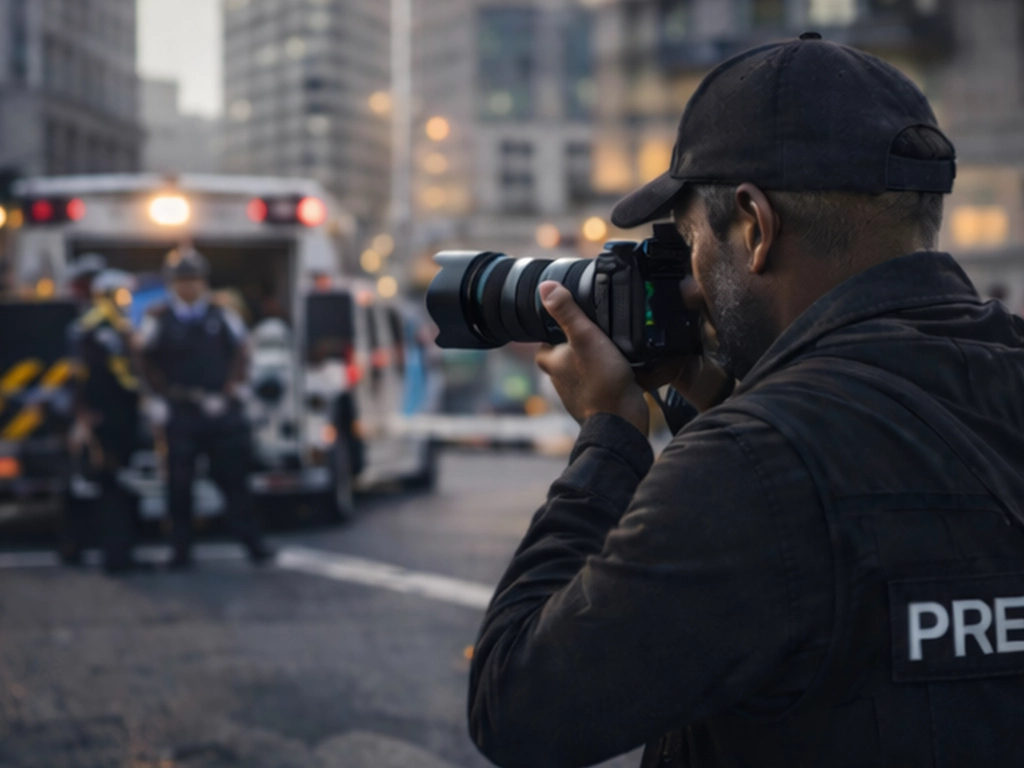
From Opportunity to Responsibility
Achieving international coverage is recognized as a significant advancement in a photographer’s career, offering expanded opportunities, increased visibility, and access to globally significant stories. With this progression, however, comes added responsibility.
Press photographers serve not only as documentarians but also as influential agents in shaping public perception of events worldwide. Their images can sway public opinion, contribute to political dialogue, and become part of the historical archive, underscoring the paramount importance of ethical considerations within the profession.
International assignments often involve complex subjects, including social conflict, humanitarian emergencies, or political change. In these contexts, photographers need to balance compelling storytelling with respect for the dignity and safety of those they portray.
Maintaining accuracy is vital; images must depict events truthfully, avoiding misleading framing or omission of context. Any misrepresentation-intentional or otherwise-not only jeopardizes trust but can adversely affect both personal reputation and media credibility.
Responsibility further encompasses personal conduct. Photographers should recognize the risks inherent in certain assignments and take necessary precautions, addressing physical well-being and digital security, especially when operating in regions with restricted press freedom.
International exposure also allows photographers to facilitate greater global understanding. Effective visual journalism can bridge cultural divides, draw attention to critical issues, and amplify voices from underrepresented communities.
Thus, broadening one’s professional scope signifies not only career progress but also an elevated commitment to ethical standards and heightened awareness.
Conclusion: Expanding Reach, Strengthening Impact
The transition from local events to international coverage is not defined by a single breakthrough moment. It is a gradual process built on experience, strategy, and professional growth.
Photographers who succeed internationally understand that:
- Local work lays the foundation
- Strong portfolios open doors
- Networks create opportunities
- Credentials enable access
- Professional standards sustain careers
In a globalized media environment, the ability to operate beyond local boundaries is becoming increasingly important. However, this expansion should not come at the cost of quality or integrity.
Organizations such as the
International Association of Press Photographers
play a valuable role in supporting photographers on this journey-offering structure, recognition, and access to a broader professional landscape.
Ultimately, expanding your reach means expanding your perspective. And in photojournalism, perspective is everything.