
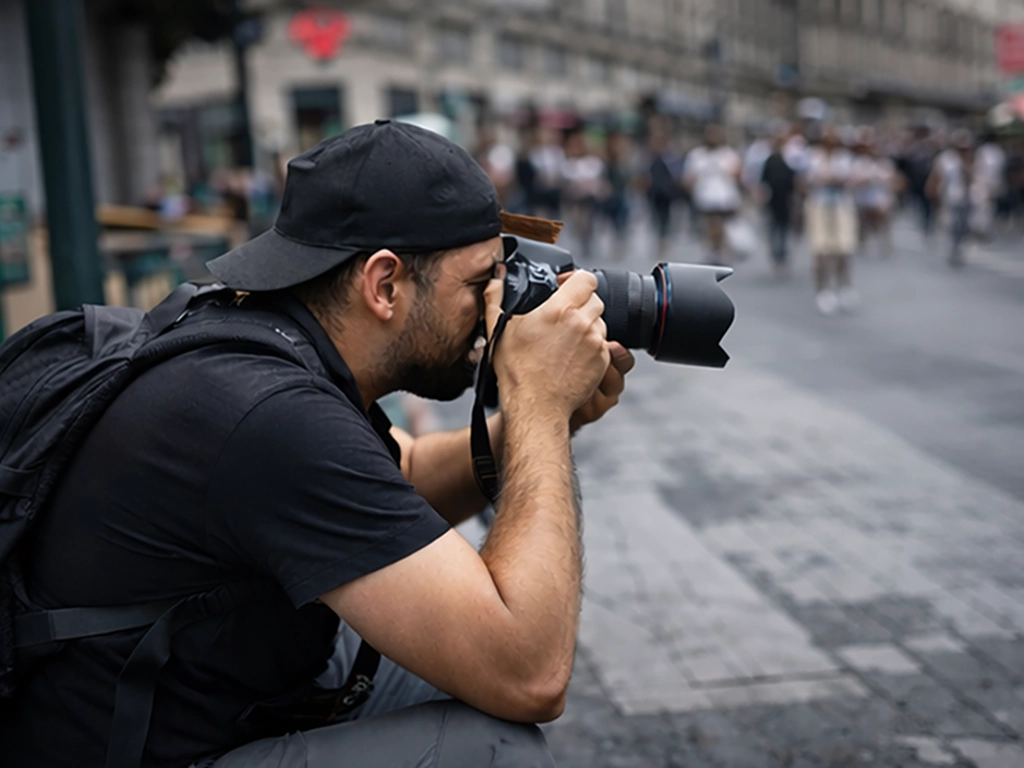
The Evolution of Press Photography in a Fragmented, Digital-First Era
Visual storytelling has consistently played a pivotal role within journalism. A single image can communicate insights that may be challenging to articulate through words, influencing public perception, recording historical events, and representing individuals who might otherwise be overlooked. As 2026 progresses, press photography is experiencing significant transformation driven by technological advancements, changes in media consumption, ethical considerations, and economic factors. These dynamics are reshaping both the methods of storytelling and the responsibilities of photographers.
This article provides an analysis of the contemporary landscape of visual storytelling as it pertains to press photography. It reviews the profession’s current status, highlights developments over the previous decade, and presents strategies for photographers to maintain relevance, integrity, and effectiveness in a rapidly evolving media environment.
From Single Images to Visual Narratives
For much of the 20th century, iconic single images defined press photography. One photograph, published in a newspaper or magazine, could symbolize an entire conflict, movement, or historical moment. While such images still exist, visual storytelling in 2026 is rarely confined to a single frame.
Today’s press photography increasingly relies on visual narratives – cohesive story arcs told through a combination of photographs, short videos, audio clips, captions, and contextual text. Editors and audiences alike expect depth rather than isolated moments.
Photographers are now expected to think like storytellers rather than image collectors. This means:
- Planning assignments with narrative structure in mind
- Capturing wide, medium, and detail shots deliberately
- Documenting processes, not just outcomes
- Providing visual continuity across images
This shift has elevated the importance of long-term projects, photo essays, and documentary series. Even breaking news coverage is often expanded into follow-up visual stories that provide background, human context, and consequences.
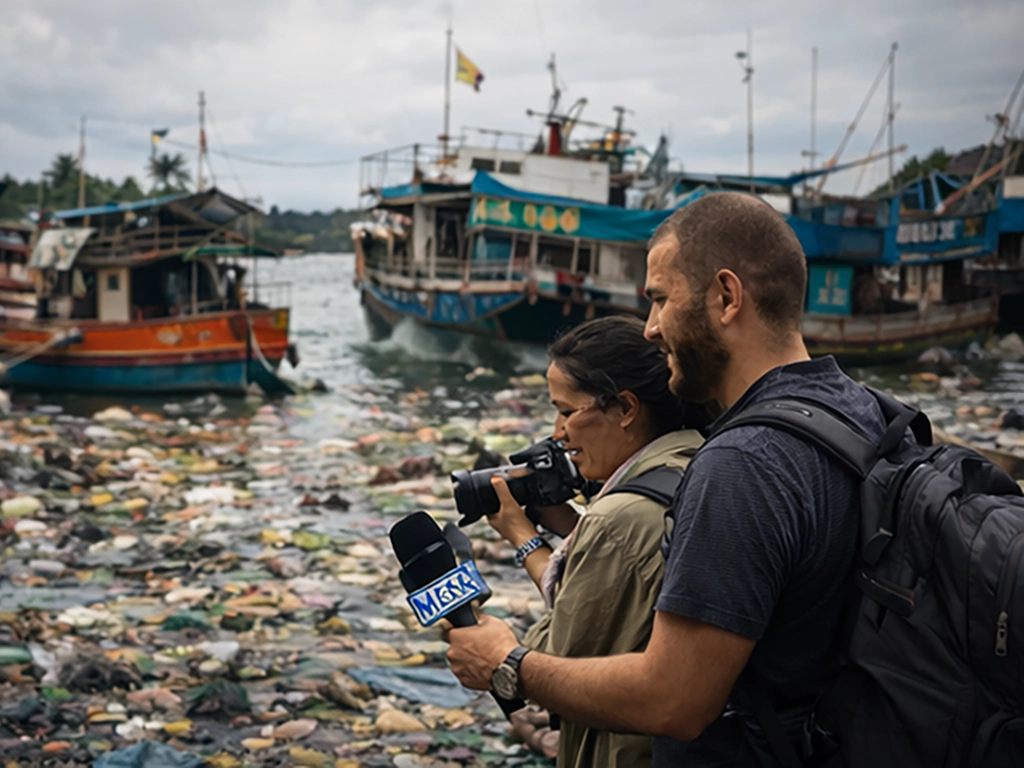
The Digital-First Reality of Modern Journalism
One of the most defining changes in visual storytelling is the digital-first nature of modern journalism. Print publications still matter, but the primary audience now encounters press photography through websites, social media platforms, mobile apps, and newsletters.
This reality affects visual storytelling in several ways:
- Vertical and Mobile-Friendly Formats
Images are increasingly consumed on smartphones. As a result, photographers must consider:
- Vertical and square compositions
- Readability on small screens
- Cropping implications for social platforms
This does not mean abandoning traditional composition principles, but it does require awareness of how images will be displayed and repurposed.
- Speed Versus Depth
Digital publishing prioritizes speed. Images are often published within minutes of capture. At the same time, audiences crave context and authenticity. Press photographers must balance rapid delivery with thoughtful storytelling – a tension that defines much of today’s workflow.
- Platform-Specific Storytelling
A photo essay on a news website differs from a visual story on Instagram or a multimedia piece on a publication’s app. Successful photographers understand how to adapt a story visually without compromising its journalistic integrity.
The Evolving Responsibilities of Press Photographers
By 2026, press photographers are seldom engaged solely in photography. Their role has broadened substantially.
Many are now required to:
- Capture both still images and video content
- Record audio for interviews or atmospheric sound
- Edit material on location
- Compose captions and concise contextual narratives
- Prepare content suitable for diverse media platforms
This multidisciplinary expectation has fundamentally altered the approach to visual storytelling. Photographers must possess an understanding of editorial objectives and appreciate the interplay between visual elements, written journalism, data, and interactive formats.
While these expanded duties introduce new pressures, they also present opportunities for creative autonomy. Visual storytellers can exert greater influence over the construction and presentation of their narratives, thereby minimizing dependence on intermediaries who may lack direct exposure to events.
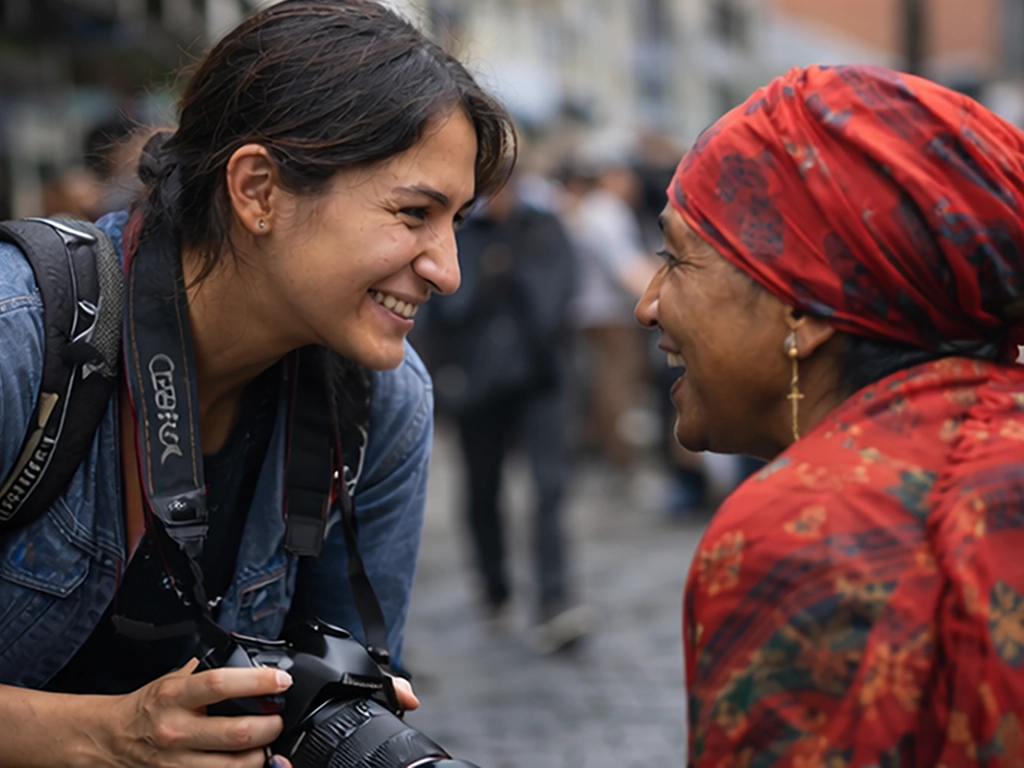
Authenticity in an Age of Visual Saturation
Audiences in 2026 are exposed to more images than ever before. Social media platforms, citizen journalism, and AI-generated visuals have created an environment of constant visual noise.
In this context, authenticity has become the defining currency of press photography.
Professional visual storytelling distinguishes itself through:
- Verified context
- Ethical standards
- Transparency in editing and staging
- Long-term access to subjects and communities
Press photographers are no longer competing only with other professionals, but with millions of images uploaded daily by non-journalists. The value of professional storytelling lies not in exclusivity of access alone, but in trust.
Trust is built when photographers:
- Respect subjects and avoid exploitation
- Provide accurate captions and metadata
- Avoid misleading edits or manipulative framing
- Disclose limitations and uncertainties
In a media environment shaped by skepticism and misinformation, credibility is as important as visual quality.
Ethical Challenges and Responsibilities
Ethical decision-making remains fundamental in press photography, and its significance continues to increase in 2026. Contemporary visual storytelling is shaped by several ethical considerations:
Consent and Vulnerability
Photographers are required to carefully evaluate whether the documentation of a situation serves the public interest or potentially endangers individuals. This assessment is particularly critical when reporting in:
- Conflict zones
- Disaster situations
- Migration-related coverage
- Stories featuring children or marginalized groups
Modern visual storytelling necessitates both empathy and journalistic integrity.
Manipulation and AI
The emergence of AI-powered editing tools has complicated the distinction between enhancement and alteration. While minor adjustments are generally accepted, the capacity to generate, remove, or modify content introduces significant ethical concerns.
Professional press photographers must:
- Follow stringent editing protocols
- Retain original image files
- Disclose post-processing practices
- Avoid generative manipulation in journalistic contexts
Maintaining ethical transparency is vital for sustaining public confidence in visual journalism.
Long-Form Storytelling Makes a Comeback
Despite assumptions that attention spans are shrinking, long-form visual storytelling is experiencing a resurgence. Audiences are willing to engage deeply with stories that offer insight, relevance, and emotional connection.
In 2026, long-term visual projects often focus on:
- Climate change and environmental impact
- Social inequality and labor conditions
- Migration and displacement
- Cultural identity and transformation
- Post-conflict recovery
These stories cannot be told through isolated images. They require time, access, and narrative cohesion – qualities that define high-level press photography.
Organizations, foundations, and international media outlets increasingly support such projects, recognizing their value in providing context rather than just headlines.
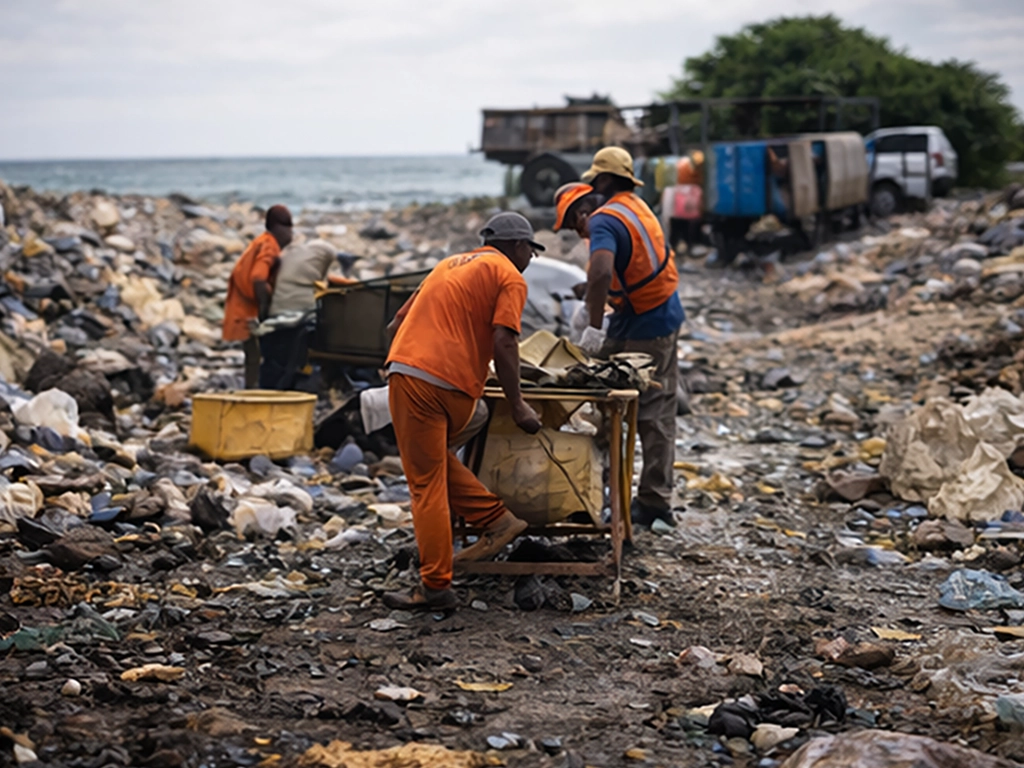
Economic Pressures and New Survival Strategies
The business model of press photography continues to evolve. Traditional staff positions have declined, while freelance and project-based work dominates.
This economic reality affects visual storytelling in important ways:
- Photographers must self-fund long-term projects
- Pitching and grant writing have become essential skills
- Personal branding and online presence matter more than ever
- Diversification of income is often necessary
Many press photographers now combine editorial work with:
- Teaching and workshops
- Speaking engagements
- Archive licensing
- Book projects and exhibitions
While this diversification can be challenging, it also allows photographers greater independence in choosing meaningful stories.
Collaboration as a Storytelling Tool
Visual storytelling in 2026 is increasingly collaborative. Complex stories often require teams that include:
- Writers and investigative journalists
- Data analysts
- Designers and developers
- Local fixers and researchers
Press photographers are no longer isolated observers. They are part of interdisciplinary storytelling teams that combine visuals, data, and narrative into cohesive journalistic experiences.
This collaborative approach strengthens storytelling by adding depth, verification, and multiple perspectives – especially in international reporting.
The Future Direction of Visual Storytelling
Looking ahead, several trends are likely to shape the next phase of press photography:
- Deeper integration of visuals with investigative journalism
- Greater emphasis on local voices and community-based storytelling
- Stronger ethical frameworks for AI and digital manipulation
- Increased demand for context-rich, explanatory visual journalism
Technology will continue to evolve, but the core purpose of visual storytelling remains unchanged: to document reality, bear witness, and help society understand itself.
Conclusion: The Enduring Power of Visual Truth
In 2026, visual storytelling in press photography stands at a crossroads. The tools have changed, the platforms have multiplied, and the economic landscape is uncertain. Yet the fundamental role of the press photographer – to tell truthful, human stories through images – is more vital than ever.
Amid digital saturation and algorithm-driven content, audiences continue to seek authenticity, depth, and meaning. Press photographers who embrace narrative thinking, ethical responsibility, and adaptability will not only survive this era of transformation – they will define it.
Visual storytelling is no longer just about capturing moments. It is about creating understanding. And in a fragmented world, that mission has never been more important.