
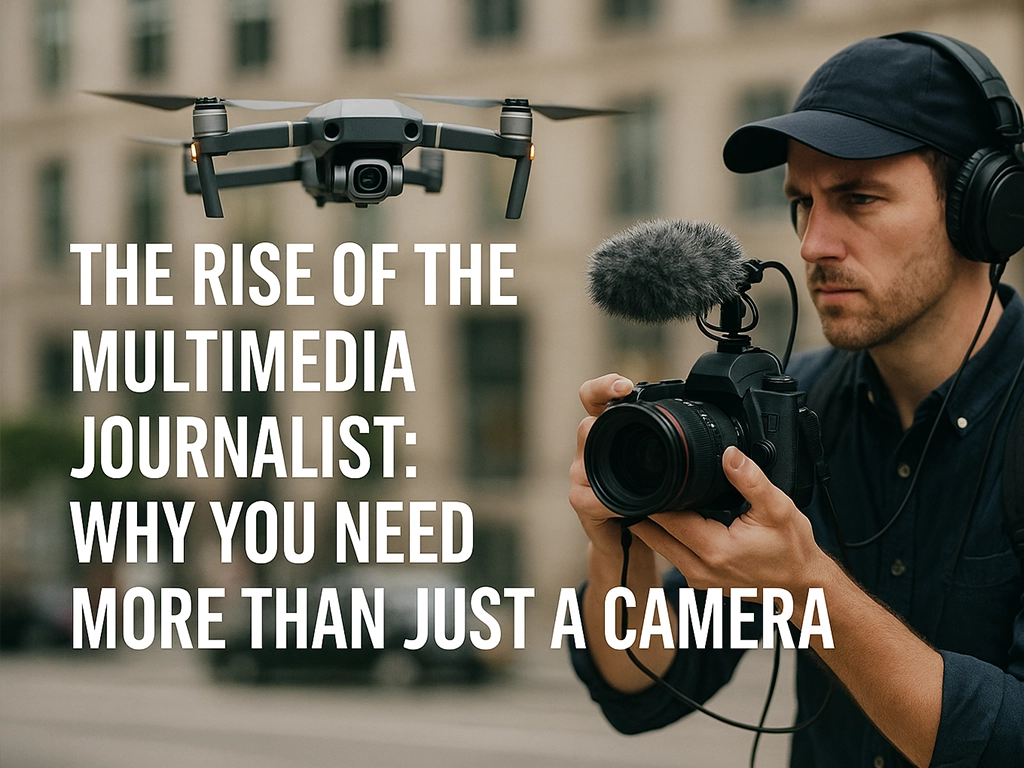
The era of specialization is fading. In its place, the modern press landscape increasingly demands adaptability and range. The term “multimedia journalist” has emerged as more than a buzzword – it represents a new standard in journalism. No longer is it enough for a press photographer to master still imagery or for a reporter to focus solely on writing. Today’s journalist is expected to shoot video, record audio, edit on the go, manage social media, and publish across multiple platforms.
This article explores the rise of the multimedia journalist, what skills are required to thrive in this role, and how professional support from organizations like the International Association of Press Photographers (IAPP) can turn this challenge into a career advantage.
What Is a Multimedia Journalist?
A multimedia journalist (MMJ) is a media professional who combines several types of content production in a single role. Instead of working within traditional newsroom teams – where a reporter, photographer, videographer, editor, and producer are separate – the MMJ often wears all those hats at once.
This model is particularly common among freelance journalists, regional outlets, and international correspondents. A single professional may be responsible for:
- Writing articles and scripts
- Capturing photos and videos
- Recording and editing interviews
- Livestreaming or broadcasting via mobile platforms
- Publishing and promoting work through social media
- Responding to audience engagement and feedback
This fusion of disciplines not only broadens a journalist’s creative reach but also increases employability in a competitive media landscape.
Essential Skills of a Multimedia Journalist
To succeed as an MMJ, it’s not enough to “dabble” in each format. Professionals must reach a level of competence across all tools and techniques. Key skills include:
- Photography and videography: Understanding composition, lighting, and movement.
- Video editing: Using software like Adobe Premiere, Final Cut Pro, or mobile apps.
- Audio recording and podcasting: Capturing clean sound, mixing, and publishing.
- Writing for multiple platforms: Adapting voice and structure for print, web, and social.
- On-camera presence: Comfort and clarity during live or recorded segments.
- Social media management: Planning, scheduling, and analyzing engagement.
Journalists must also develop speed, accuracy, and storytelling techniques that translate across formats. This includes learning how to storyboard multimedia packages and optimize content for different audiences.
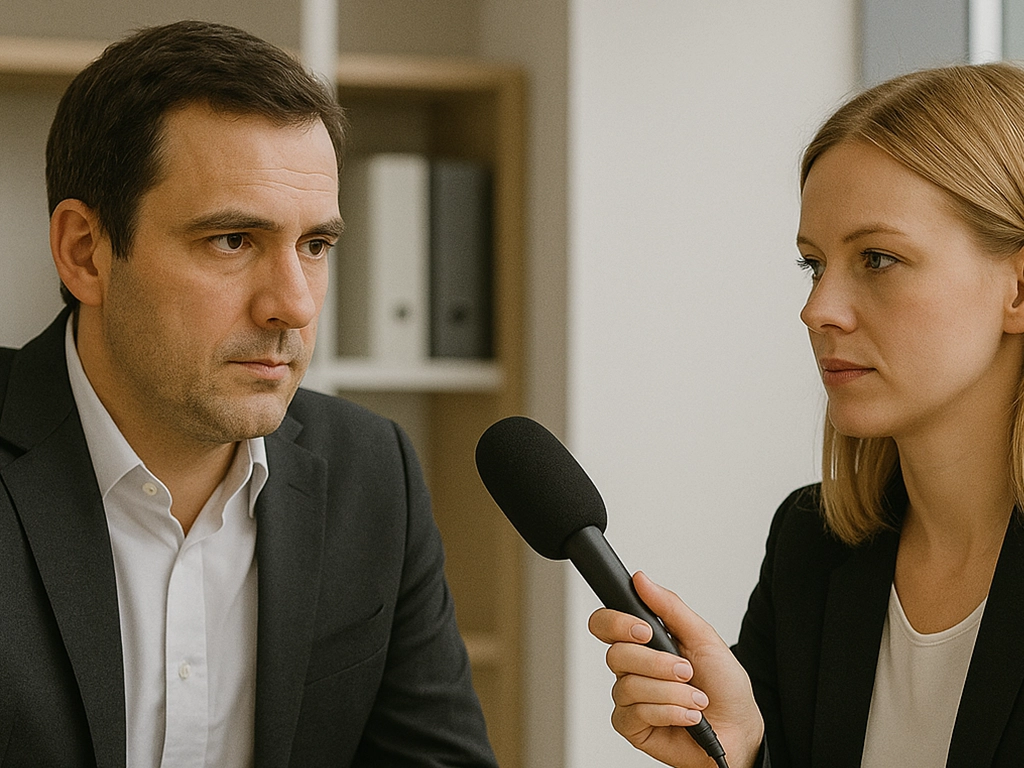
The Equipment You’ll Need (and What to Prioritize)
Becoming a multimedia journalist doesn’t mean carrying a studio’s worth of gear. It means making smart, scalable choices. Recommended core tools include:
- Camera: A mirrorless or DSLR camera with video capabilities, or a high-end smartphone.
- Audio: Lavalier mic, shotgun mic, and portable recorder.
- Tripod: Lightweight but sturdy, for both video and live streams.
- Laptop or tablet: With editing software for audio, video, and images.
- Mobile apps: Tools like LumaFusion, Filmic Pro, Lightroom Mobile.
- Cloud storage: For instant backup and cross-device access.
It’s better to master a minimalist, mobile-friendly kit than to overinvest in gear you don’t use. A multimedia journalist’s efficiency often stems from knowing how to do more with less.
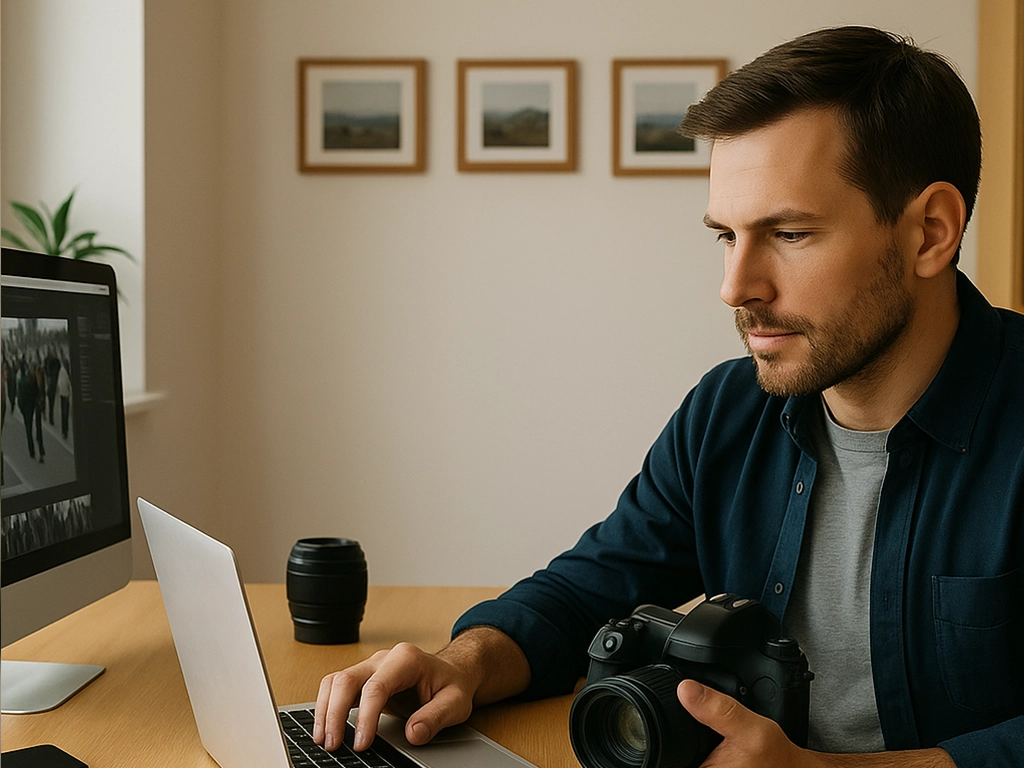
Common Challenges (and How to Overcome Them)
Going solo in multimedia journalism is rewarding but not without hurdles:
- Time management: Handling multiple content formats for a single story can be overwhelming.
- Solution: Use production checklists, templates, and batch content creation.
- Technical troubleshooting: Gear failure, corrupted files, or lack of signal can derail a shoot.
- Solution: Carry backups, use robust file organization, and practice recovery methods.
- Burnout: Managing writing, shooting, editing, and promotion can lead to fatigue.
- Solution: Build a support network, set realistic deadlines, and schedule breaks.
- Skill gaps: It’s difficult to be great at everything.
- Solution: Invest in continuous training and don’t hesitate to outsource or collaborate.
Real-World Applications: Why Multimedia Matters
- Conflict zones: A single MMJ can deliver real-time video, audio, and images without waiting for a crew.
- Environmental reporting: Combining drone footage, voiceover, and stills brings climate stories to life.
- Social storytelling: Instagram stories, Reels, and TikToks reach younger, mobile-first audiences.
- Investigative work: Multimedia packages enhance transparency and documentation.
Multimedia work also expands monetization possibilities. A single assignment can yield:
- A print article
- A short documentary
- A podcast episode
- Behind-the-scenes social content
Each format reaches a different audience and increases both revenue and impact.
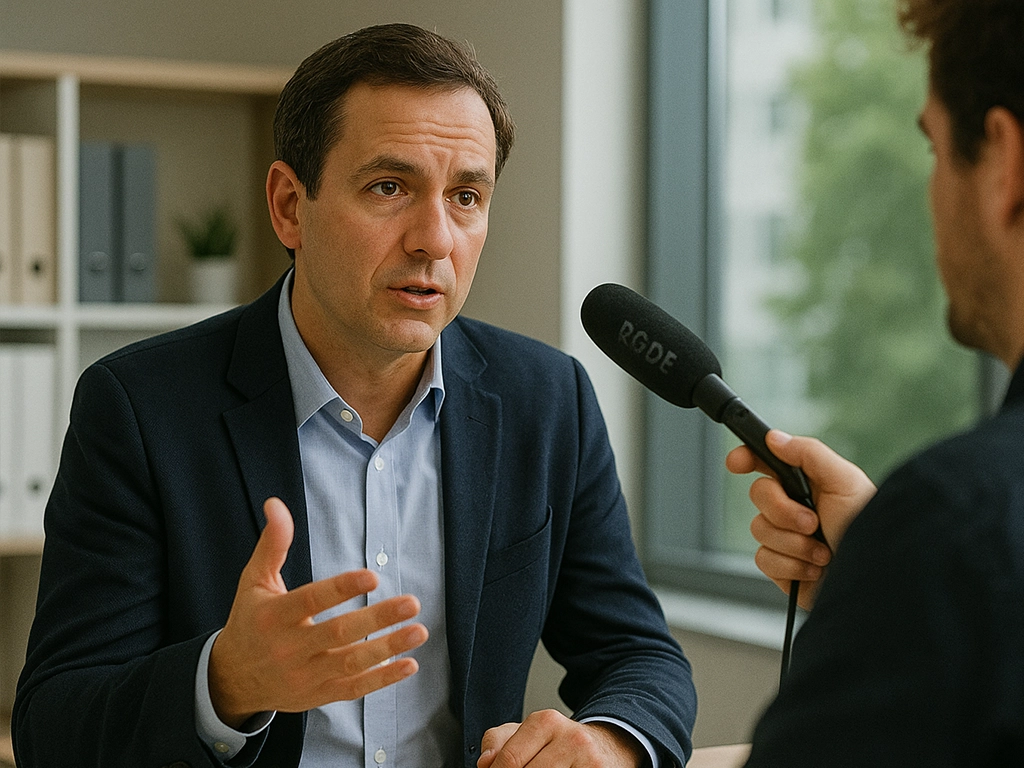
How the IAPP Supports Multimedia Journalists
The International Association of Press Photographers (IAPP) is fully aligned with the multimedia revolution. As members increasingly diversify their work, IAPP provides tools and resources to help them grow:
- Press credentials that reflect multimedia expertise
- Training programs in video editing, mobile journalism, and cross-platform storytelling
- Equipment guides tailored to different budgets and assignment types
- Networking opportunities to find collaborators, editors, and tech support
- Global exposure through IAPP exhibitions and content showcases
IAPP recognizes that the definition of “press photography” now includes motion, sound, and digital interactivity. Its support ensures that multimedia journalists aren’t just surviving – they’re leading the field.
Conclusion
The future of journalism belongs to those who can tell stories across multiple dimensions. The rise of the multimedia journalist isn’t just a shift in job description – it’s a transformation in how truth is documented, shared, and consumed. Whether you’re just starting out or transitioning from a traditional media role, embracing multimedia skills can unlock new creative and professional horizons.
With organizations like IAPP providing structure, credibility, and connection, multimedia journalists are not only equipped to meet the moment – they’re empowered to define what journalism becomes next.