
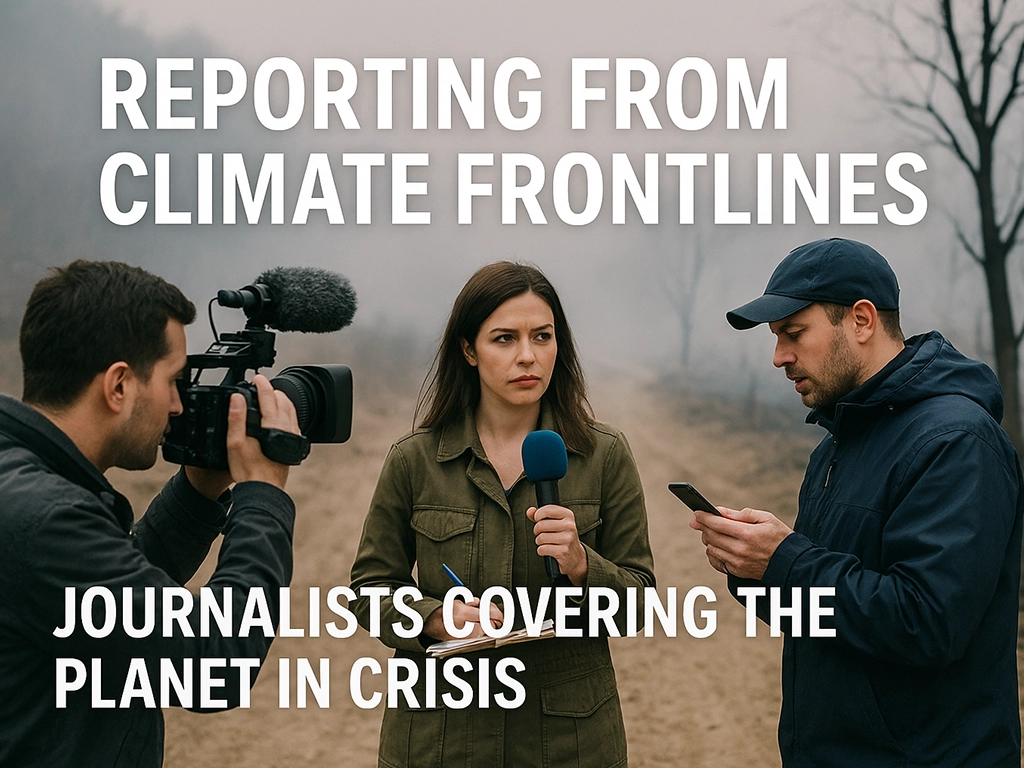
From rising sea levels swallowing coastal villages to wildfires reducing entire regions to ash, climate change is no longer a distant concern – it is a global emergency unfolding in real time. At the heart of this crisis are the journalists and press photographers who risk their safety, well-being, and emotional resilience to document its impact. Their work not only informs the public and influences policy but also humanizes statistics, giving a face to environmental catastrophe.
This in-depth article explores the essential role of climate frontline reporting, the challenges faced by journalists in the field, and the resources and support systems that help them tell some of the most urgent stories of our time. It also highlights how the International Association of Press Photographers (IAPP) empowers these professionals with tools, credibility, and global reach.
The Role of Climate Journalism in 2024 and Beyond
Climate journalism is not simply a reporting trend – it is a foundational pillar of modern investigative reporting. Whether through feature stories, photo essays, or data-driven infographics, journalists covering climate change act as watchdogs, educators, and storytellers. They hold governments and corporations accountable, expose environmental injustices, and spotlight the communities fighting for survival.
Importantly, climate journalism helps translate complex science into accessible narratives. It bridges the gap between academic research and public understanding. Without consistent coverage, the urgency of climate action risks being drowned out by the noise of daily news cycles.
Where the Frontlines Really Are
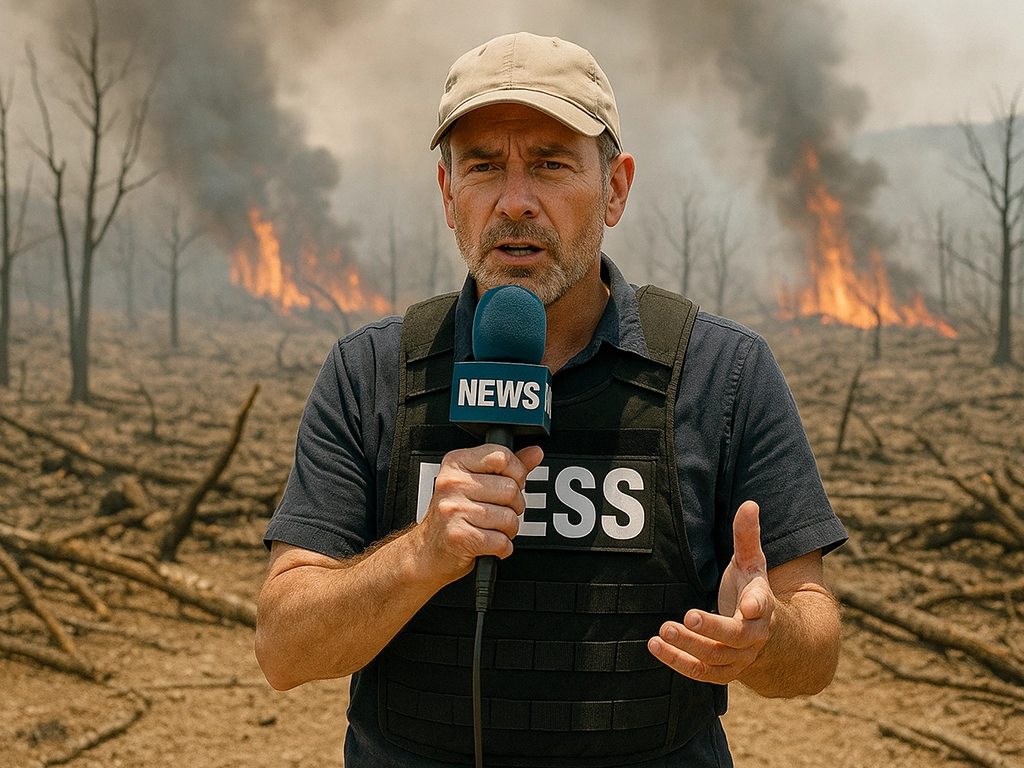
The term “climate frontline” might conjure images of remote Arctic glaciers or submerged Pacific islands, but the truth is more nuanced. Frontlines exist in urban neighborhoods suffering from heat island effects, rural communities impacted by drought, and industrial zones choked by pollution. Journalists must be prepared to cover both dramatic natural disasters and the slower, systemic consequences of environmental degradation.
Frontline locations include:
- Low-lying regions in Southeast Asia threatened by rising oceans.
- Parts of Africa facing desertification and food insecurity.
- Western U.S. states ravaged by seasonal wildfires.
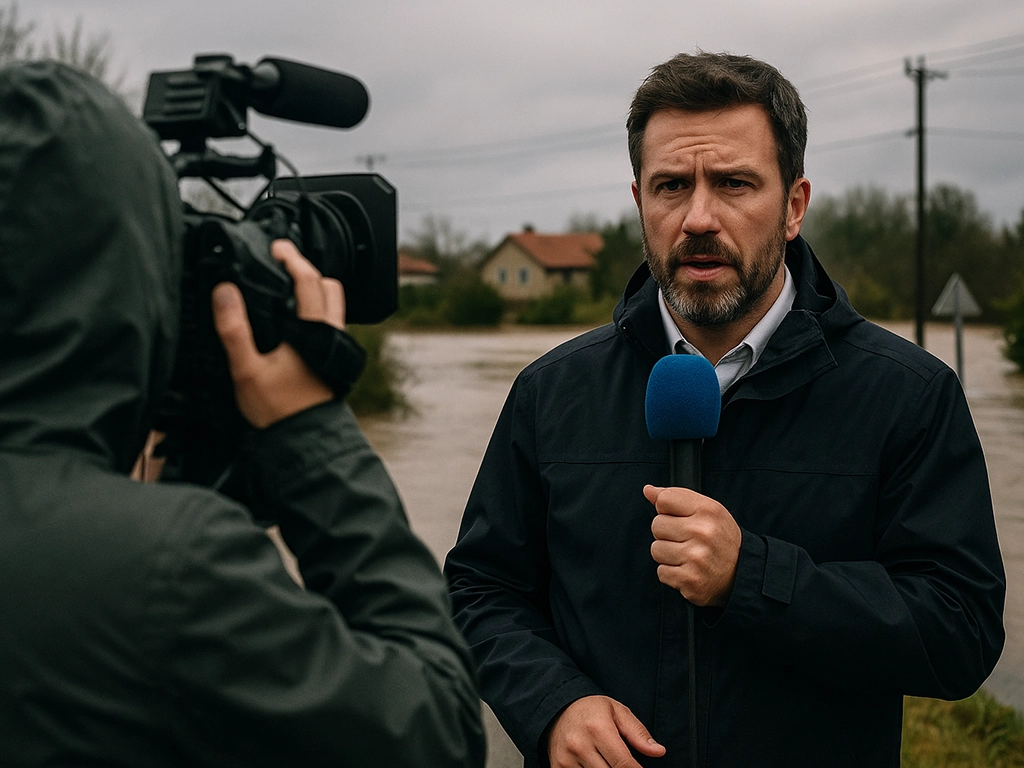
- Flood-prone areas of Central Europe increasingly vulnerable to extreme weather.
- Megacities where pollution and heat extremes disproportionately affect the poor.
In each of these zones, journalists document the intersection of science, policy, and human resilience.
Tools of the Trade: What You Need in the Field
Reporting from climate frontlines requires more than courage – it requires preparation, adaptability, and the right tools:
- Protective Gear: Respirators, goggles, heat-resistant clothing, and waterproof cases.
- Mobile Equipment: Lightweight cameras, portable solar chargers, satellite phones.
- Data and Research Access: Climate models, remote sensing maps, local knowledge networks.
- Emotional Resilience: The psychological toll of witnessing suffering and destruction is real. Peer support, training, and mental health resources are essential.
Many frontline journalists also rely on fixers, translators, and local scientists to accurately convey the story. Collaboration is critical in contexts where local nuance and historical context matter deeply.
Challenges in Reporting: Safety, Politics, and Misinformation
Covering the climate crisis is not without risk. In some regions, journalists face harassment, surveillance, or even arrest – especially when investigating the role of state actors or powerful industries in environmental degradation. Reporting on illegal logging, unregulated mining, or pollution scandals often places journalists in direct conflict with influential interests. Whistleblower sources may also be endangered in the process, requiring extra care in how stories are sourced and published.
Natural disasters bring their own hazards. Journalists entering disaster zones face collapsing infrastructure, contaminated water, unpredictable weather, and disease outbreaks. Without proper training and protective equipment, the risk to personal safety is significant. Furthermore, female journalists and those from marginalized communities often face additional layers of vulnerability and discrimination in the field.
Additionally, there is the challenge of misinformation. Climate denialism, conspiracy theories, and politicized science all contribute to public confusion. Journalists must navigate these narratives with evidence-based reporting and a strong ethical framework. Balancing urgency with accuracy is critical – sensationalism may generate clicks, but it erodes trust.
Moreover, social media platforms – both a tool and a battleground – often amplify misleading or emotionally manipulative content. Climate journalists must not only publish the truth but also compete with misinformation in real time. Training in digital literacy, cybersecurity, and debunking techniques is now an essential part of the job.
Practical challenges like access to remote areas, communication breakdowns during disasters, or loss of power and connectivity can also obstruct fieldwork. Freelancers often lack institutional support and insurance, making their efforts even more vulnerable.
Capturing the Human Element
Perhaps the most powerful contribution of climate journalists is their ability to make climate change feel personal. A mother forced to relocate her family, a farmer struggling to adapt to new weather patterns, or a child growing up in a smog-filled city – these are the stories that resonate.
Telling these stories requires more than observation; it requires empathy and relationship-building. Journalists must invest time in communities, gain trust, and listen deeply before lifting the camera or pressing record. The best climate stories are not parachute reports – they are grounded, patient, and respectful.
Using visuals, long-form reporting, or even audio, journalists can elevate unheard voices and challenge dominant narratives. Ethical storytelling is key: ensuring consent, respecting dignity, and avoiding victimization. It’s crucial to portray affected individuals not as passive victims, but as agents of change – activists, innovators, survivors.
Incorporating local language, cultural references, and community perspectives strengthens both accuracy and impact. It also fosters greater local engagement with the stories being told. As climate change affects everyone differently, it’s essential that coverage reflects diversity in age, gender, ethnicity, and geography.
By connecting individual experiences to systemic causes, reporters help audiences understand that climate change is not a future threat – it is a current reality with real people at its center. These human-centered narratives break through data fatigue and help drive emotional and political engagement in ways that charts and projections alone cannot achieve.
The Role of the IAPP in Empowering Environmental Journalists
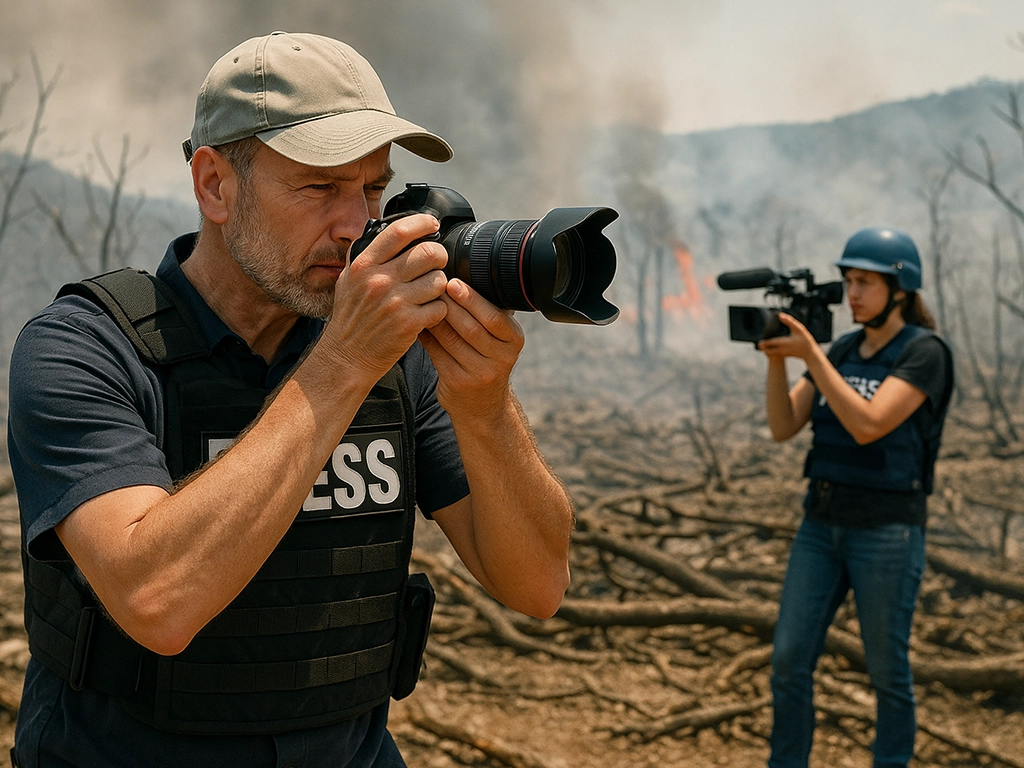
The International Association of Press Photographers (IAPP) plays a vital role in supporting journalists who cover the environment and climate change. For those working across borders or outside traditional newsrooms, IAPP provides credibility and access.
IAPP supports climate journalists through:
- Global press credentials that facilitate access to disaster zones, summits, and restricted areas.
- Workshops and training on environmental reporting, safety in conflict zones, and multimedia storytelling.
- Networking opportunities that connect journalists with scientists, NGOs, and peer mentors.
- Ethical guidance and advocacy, particularly for freelancers needing institutional backing.
- Visibility for environmental work through online showcases, exhibitions, and editorial partnerships.
For those just starting in climate journalism, IAPP provides a platform to grow. For seasoned professionals, it strengthens legitimacy and global reach.
Looking Ahead: Why the Work Matters
As the world moves toward irreversible tipping points, climate journalism has never been more essential. Informed citizens, engaged communities, and accountable leadership all depend on a free and fearless press. The next decade will shape the future of the planet – and it will be shaped, in part, by those who tell its story.
Freelancers, photographers, documentary teams, and local reporters must continue pushing forward, armed with truth, compassion, and courage. Their work connects the dots, informs action, and demands change.
Conclusion
Reporting from climate frontlines is not just a profession – it’s a calling. It requires tenacity, empathy, and an unwavering commitment to truth. In a time when disinformation spreads faster than facts and the stakes have never been higher, environmental journalists are more than chroniclers of change – they are catalysts for it.
With organizations like IAPP behind them, climate reporters gain not just access but a community of support. Together, their lens becomes a beacon – illuminating both crisis and hope.